
How Clean Spaces Support Better Mental Health
A messy environment can make a difficult day feel heavier. It adds visual noise. It slows simple tasks. It can make people feel tense before the work even starts.
Clean, organised spaces cannot fix every mental health challenge. They are not a replacement for support, treatment, rest, or proper workplace care. But they can help create calmer, safer, more comfortable places to live and work.
For businesses, this matters. Staff spend many hours in shared spaces. Customers also notice how a place feels. A clean environment sends a clear message. People are welcome here. Their comfort matters.

Clean environments reduce daily stress
Stress often builds through small irritations. A bin that is too full. A sticky surface. A shared fridge that smells bad. A washroom that feels neglected. None of these issues may seem serious on their own. Together, they create friction.
People notice their surroundings even when they are not thinking about them. Clutter and dirt compete for attention. They make the brain work harder to filter out what does not matter. That can increase feelings of overload, especially in busy spaces.
A clean environment supports a sense of control. It gives people fewer things to react to. It creates order in places where the day may already feel pressured.
In workplaces, this can affect:
How people feel when they arrive
How comfortable they are using shared facilities
How easily they can focus
How safe and cared for the space feels
How visitors judge the business
This is not about creating perfect spaces. Perfection can create its own pressure. The goal is a place that feels maintained, hygienic, and easy to use.
A clean reception area, canteen, warehouse walkway, clinic waiting area, retail floor, or staff room can reduce daily irritation. It can also help prevent small issues from becoming bigger ones. Spills get cleaned before they become hazards. Waste gets removed before it becomes unpleasant. Surfaces get maintained before dirt builds up.
That matters for mental comfort as much as it matters for hygiene.
Cleanliness helps people focus
Focus is easier when the space does not keep pulling attention away. A pile of mess says, “Deal with me.” A dirty counter says, “This has been ignored.” A cluttered area makes it harder to know where to start.
People do better when their environment supports the task in front of them. Clean spaces help remove unnecessary distractions. They make tools easier to find. They make movement easier. They help teams start work without first fixing the space around them.
For South African businesses, this can apply across many settings:
A workshop where walkways are kept clear
A retail store where shelves and floors are clean
A guesthouse where shared areas feel fresh
A medical practice where hygiene supports trust
A factory where staff areas are well maintained
A school or training centre where learners feel comfortable
The link between environment and focus is simple. People have limited attention. If a space is dirty, cluttered, or poorly maintained, it uses some of that attention before any real work begins.
Clean Spaces support better concentration because they reduce visual and physical barriers. They also help define how an area should be used. A clean break room invites rest. A clean washroom supports dignity. A clean storeroom supports order. A clean public area supports trust.

Shared spaces shape workplace mood
Mental wellbeing is not only an individual issue. The environment can either support people or add strain to their day.
Shared spaces carry a strong message. When they are clean, staff can use them without discomfort. When they are neglected, people may feel that their wellbeing is not a priority. This can affect workplace mood over time.
A clean workplace does not need to be expensive or overdesigned. It needs consistent care.
Key areas often include:
Entrances and customer-facing areas
Kitchens and eating areas
Washrooms and change rooms
Meeting and training spaces
Production areas and storage rooms
High-touch surfaces
Waste points and outdoor walkways
For businesses in Cape Town, Gauteng, and across South Africa, there is also a practical side. Dust, foot traffic, load shedding disruptions, seasonal rain, and high-use facilities can all affect cleanliness. Without a routine, small cleaning gaps become visible fast.
A planned cleaning schedule helps. It removes guesswork. It also reduces the burden on staff who may already be managing full workloads.
Professional cleaning can support workplace wellbeing by keeping shared areas consistent. Teams should not have to wonder whether the kitchen will be usable or whether the washroom will be clean. These basics affect morale.
Clean spaces also influence visitors. Customers, tenants, patients, suppliers, and job applicants form impressions quickly. A neglected space can create doubt. A fresh, well-maintained space builds confidence.
This does not mean cleanliness is only about appearances. Appearance matters because it affects comfort, trust, and behaviour. People tend to treat cared-for spaces with more care. That can help create a healthier workplace culture.
Hygiene supports emotional safety
Cleanliness and hygiene are linked, but they are not the same thing.
A space can look tidy but still be unhygienic. High-touch points can carry germs even when the room appears clean. Door handles, taps, counters, light switches, shared appliances, railings, and payment points need regular attention.
Good hygiene supports emotional safety because people can use shared spaces with less worry. This became more visible during the COVID-19 pandemic, but the principle has always mattered. Clean facilities help people feel more secure.
For staff, this can reduce avoidable discomfort. No one wants to spend the day worrying about dirty surfaces, unpleasant smells, or poorly maintained washrooms. These concerns take up mental space.
A strong hygiene routine may include:
Regular surface cleaning
Scheduled deep cleaning
Safe waste removal
Restroom sanitising
Floor care
Food area cleaning
Replenishment of soap and paper supplies
Clear responsibility for standards
The routine matters more than one big clean. A once-off clean can improve a space for a short time. A regular plan keeps it stable.
A clean environment gives people one less thing to manage. That can make a real difference on a demanding day.
This is especially relevant in high-traffic businesses. Retail spaces, hospitality venues, healthcare practices, schools, gyms, industrial sites, and shared residential buildings all rely on cleanliness to create comfort and trust.
During Mental Health Awareness, Vogue Hygiene recognises that a hygienic environment can support how people feel in the spaces they use every day.

Small habits make spaces feel manageable
Clean spaces do not happen by accident. They come from small habits repeated often.
At home, this may mean clearing a surface before bed, wiping the kitchen counter after use, or doing one small load of laundry instead of waiting for everything to pile up. At work, it may mean emptying bins on schedule, cleaning shared appliances daily, and keeping walkways clear.
The key is to make cleaning manageable. Large cleaning tasks can feel overwhelming, especially when people are tired or under pressure. Small tasks lower the barrier.
Useful habits include:
Clear one surface before starting a new task
Put supplies where people can reach them
Clean spills as soon as they happen
Keep bins visible and easy to use
Use labels in shared storage areas
Set a simple daily closing routine
Book deeper cleaning before the space becomes a problem
Managers can also make cleaning less stressful by setting clear roles. If everyone assumes someone else will handle it, standards drop. If the plan is clear, the space stays easier to maintain.
For businesses, there is another benefit. A cleaning routine helps protect assets. Floors, counters, furniture, washrooms, and equipment last longer when they are maintained. So the mental health benefit sits alongside a practical business benefit.
Cleanliness should not become another source of pressure. Some people struggle with cleaning during periods of anxiety, depression, grief, burnout, or stress. That is why routines should be realistic. Support matters. Judgement does not help.
A helpful approach is to start with the area that affects comfort the most. That may be the kitchen, bathroom, entry area, or staff room. One improved space can make the next task easier.
Professional cleaning helps businesses stay consistent
Many businesses rely on staff to “keep things tidy” between tasks. That can work for light upkeep. It does not replace proper cleaning.
Staff may not have the time, training, equipment, or cleaning products needed to maintain hygiene standards. Asking them to handle too much can also create frustration. It can blur roles and add stress.
Professional cleaning brings structure. It helps ensure that key areas are cleaned regularly and correctly. It also supports consistency across busy periods, staff changes, public holidays, and peak seasons.
A professional cleaning plan can cover:
Daily or weekly cleaning
Deep cleaning
Restroom hygiene
Floor maintenance
Touchpoint sanitising
Waste management support
Cleaning of high-use shared areas
Site-specific checklists
The best cleaning plans match the site. A showroom does not need the same routine as a factory. A medical practice has different needs from a guesthouse. A school has different traffic patterns from a retail store.
For business owners, this matters because cleanliness affects more than compliance. It affects staff experience, customer confidence, and the daily feel of the workplace.
When cleaning is predictable, people notice less mess and fewer disruptions. That is the point. A well-maintained environment should feel normal, not like a special event.
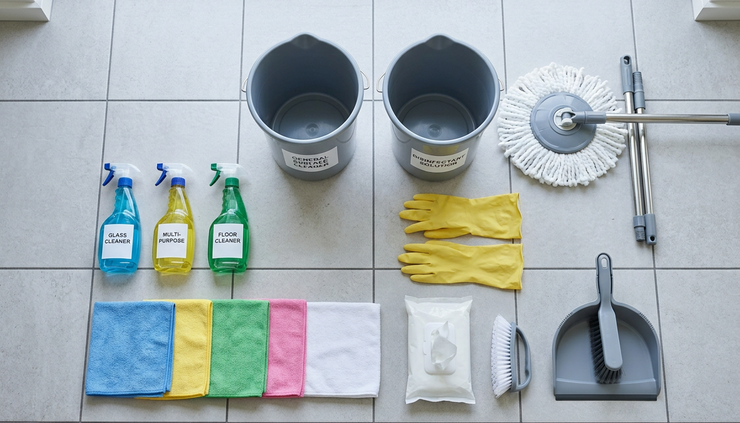
A cleaner space is a practical step towards better wellbeing
Mental health is complex. Workload, relationships, finances, sleep, physical health, and personal circumstances all play a role. A clean environment will not solve every challenge.
Still, it can help. It can reduce stress triggers. It can support focus. It can make shared spaces feel safer and more respectful. It can give people a stronger sense of order during a busy day.
For businesses, clean environments show care in a visible way. Staff and visitors feel the difference when a space is maintained. They also feel the difference when it is ignored.
Start with the places people use most. Keep them clean, hygienic, and easy to navigate. Build simple routines. Bring in professional support where consistency matters.
A healthier environment is not only about what people see. It is also about how they feel when they walk in, use the space and carry on with their day.
Book your professional cleaning service for a better and healthier mental space today with Vogue Hygiene.

Comments